
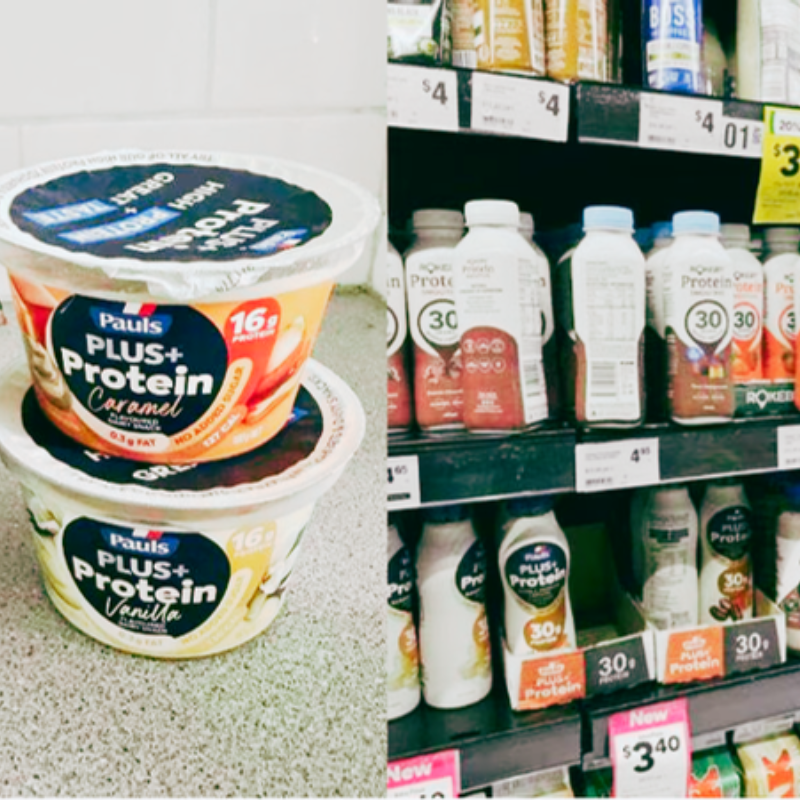

Walk through any supermarket aisle right now and you’ll see it:
Protein yoghurt. Protein cereal. Protein snack bars. Protein drinks. Even protein water.
Protein has become the hero nutrient of modern marketing.
According to reports in the The Daily Telegraph, nutrition experts are warning that this growing focus may be leading people to miss out on other key nutrients. And here’s the surprising part:
National guidelines suggest adult women need around 46 grams of protein per day and adult men about 64 grams — levels most people already meet through a balanced diet. So the issue isn’t widespread protein deficiency. It’s misunderstanding.
These RDIs are for generally healthy adults with average activity levels.
Higher needs may apply to:
- Athletes or heavy training
- Pregnancy and breastfeeding
- Illness or recovery
- Older adults (muscle preservation)
- Very physically demanding jobs
Even then, most recreationally active people still meet needs through food without supplements.
Protein requirements are often also expressed per body weight:
- Adults: ~0.75–0.84 g per kg body weight per day
- Athletes: ~1.2–2.0 g/kg (varies by sport and training load)
A good amount to aim for is between 20-40g at each meal across the day and wit other macro and micronutrients for a balance diet.
Why protein marketing works so well
Protein has a strong health halo. It’s associated with:
- strength
- muscle
- weight management
- fitness
- feeling full
Add convenience to the mix, and it’s easy to see why protein products are booming. But a “high-protein” label doesn’t automatically mean a food is nutritious. As experts emphasise, people need to know how to read labels and compare products — not assume something is healthy simply because it mentions protein.
Myth 1: Is protein more important than carbohydrates?
No — they do different jobs.
- Protein supports growth, repair and immune function.
- Carbohydrates provide the body’s primary energy source, in the form of glucose.
For children especially, carbohydrates fuel:
- brain function
- physical activity
- concentration
- mood regulation
When carbs are too low, kids often experience fatigue, irritability and reduced focus. In fact adults can feel this way too.
The goal isn’t protein over carbs. It’s balance.
Myth 2: Is more protein better?
Not necessarily. Once your body has enough protein for its needs, additional intake doesn’t magically create extra health or muscle.
Excess protein may simply be:
- used for energy
- stored - especially if we over-consuming
- displacing other important nutrients
When people fill up on protein products, they may eat less foods rich in fibre, vitamins and minerals — which can negatively affect long-term health. We also of course don't want to be filling up on refined carbs, high sugar and high salt products either.
Myth 3: Are all protein sources equal?
Far from it. Protein foods come packaged with very different nutritional extras. They differ in amino acids and digestibility and can work when 'combined' with other foods to make a full meal, for example a chicken/tofu curry with vegetables and rice.
Nutrient-rich protein foods
These provide protein alongside other beneficial nutrients:
- Eggs
- Fish and seafood
- Meat and poultry
- Dairy foods
- Legumes (beans, lentils, chickpeas)
- Tofu and soy products
- Nuts and seeds
Ultra-processed protein products
Many convenience products contain:
- added sugars or sweeteners
- refined starches
- emulsifiers and additives
- salt
- artificial flavours
They may contain protein, but that doesn’t make them nutritionally equivalent to whole foods.
Myth 4: Do you need daily protein supplements to meet requirements?
For most people, no. Regular meals that include protein-containing foods typically meet needs without powders, bars or drinks.
Supplements can be helpful in specific situations — for example:
- certain medical conditions
- restricted diets
- elite athletic training
- older adults with reduced appetite
For the average family, they’re usually unnecessary.
So what should families focus on instead?
Not chasing protein numbers — but building balanced meals.
A nourishing plate generally includes:
- A source of protein
- Energy-giving carbohydrates
- Healthy fats
- Fibre-rich vegetables or fruit
When meals are built this way, protein needs are usually met easily.
The bigger picture
Nutrition isn’t about one superstar nutrient. It’s about the overall pattern of what we eat day after day.
Protein is important — but so are fibre, vitamins, minerals, healthy fats and carbohydrates.
When marketing zooms in on a single nutrient, it can distort how we think about food. For families, the simplest approach is often the most effective:
Real food, variety, and balance.